 |
 |
 |
 |
 |
 |
 |
 |
PAINT
- Ambrose Bierce
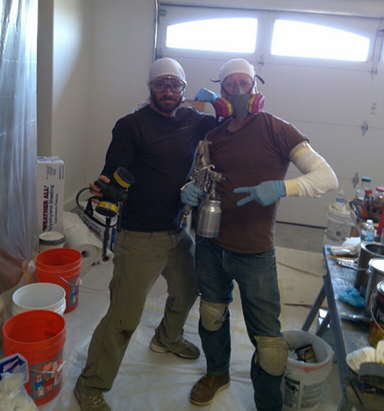
Through experience, which includes painful mistakes, I know a lot about painting.
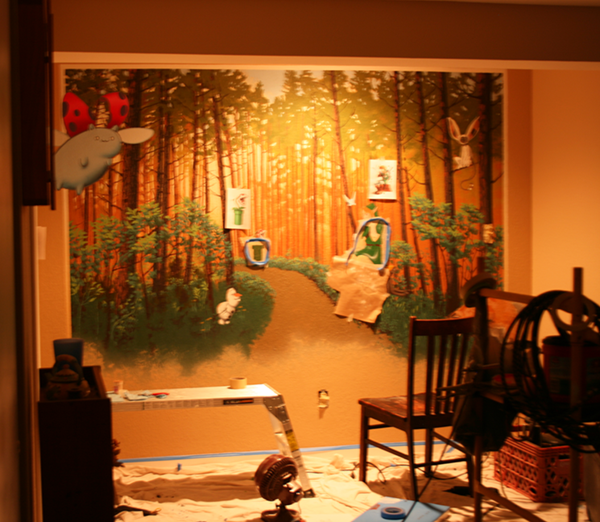
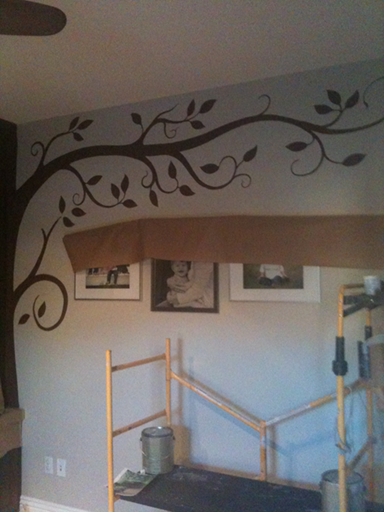
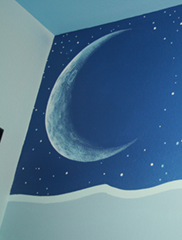
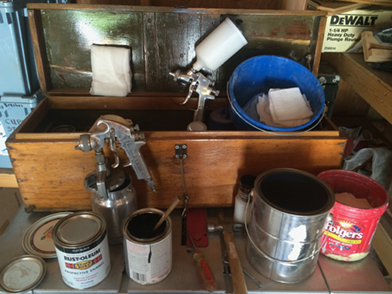
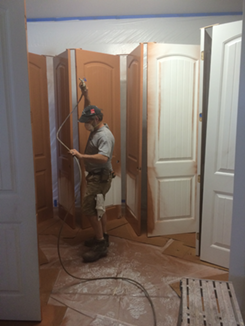
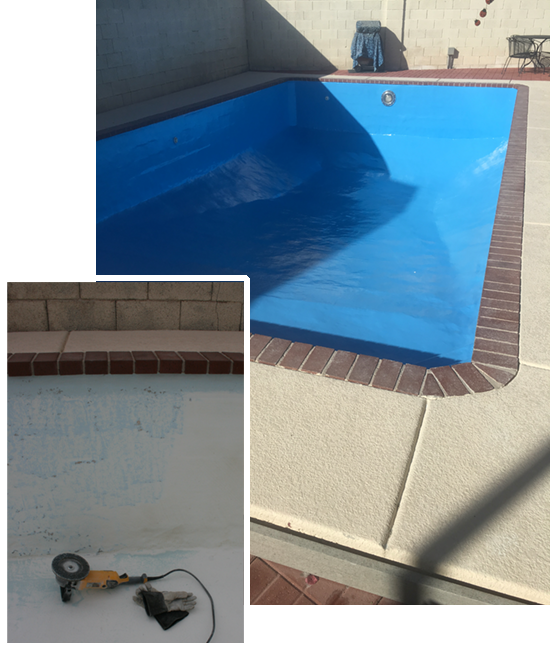
Some things I've painted: Canvases. Walls. Floors. Cement. Wood. Cars. Pools. Signs. Furniture. Cabinets. Boats. Steel Weldments. Murals. T-Shirts.
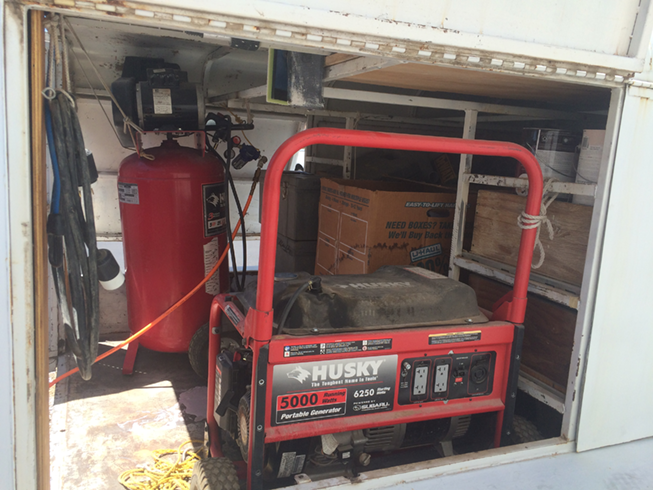
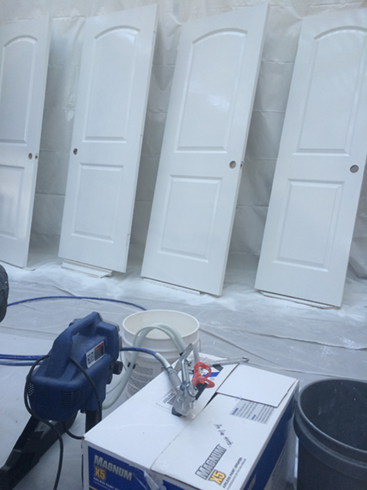
Some stuff I've painted with: Enamel. Gel Coat. Acrylics. Latex. Oil Base. Stain. Water Base. Varnish. Brush. Roller. Spray. HVLP. HPLV. Airless. Pressure Roller. Texture Hopper. Windsor Newtons.
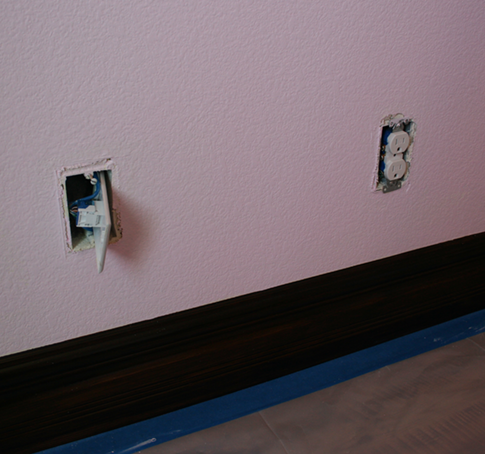
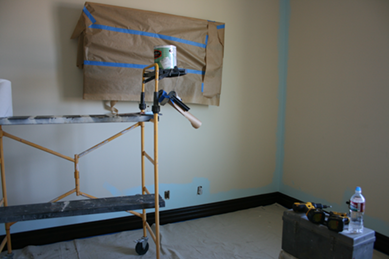
The easiest way to know your painter is incompetent: they leave the switch and electric outlet plates on the wall, tape over them, and then paint over and around the tape, allowing paint to bleed onto the covers. Then if you ever change the switch cover, and it doesn't match exactly, you see the old paint color. Lazy!
Taping e-v-e-r-y-t-h-i-n-g is a sign of inexperience and NO SKILL. Don't tape beautiful base board, as otherwise the tape wicks the paint to bleed onto the board. A good painter cuts with a brush by hand,...and its FAST, when you got skills. Tape after you cut the edges to protect the base board from roller droplets.
Then there's that "trick" of using a clear caulking along tape to get a straight edge. This results in very troublesome long term effects if your painter or DIY-er uses silicon caulking to perform the trick. Also, the gloss level of the paint rarely matches the caulk. Gawd help me!
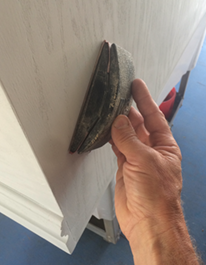
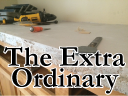
Shown is a sanding block used on a cabinet to smooth the oil base primer that was applied over varnish in preparation for spraying a high gloss finish.